
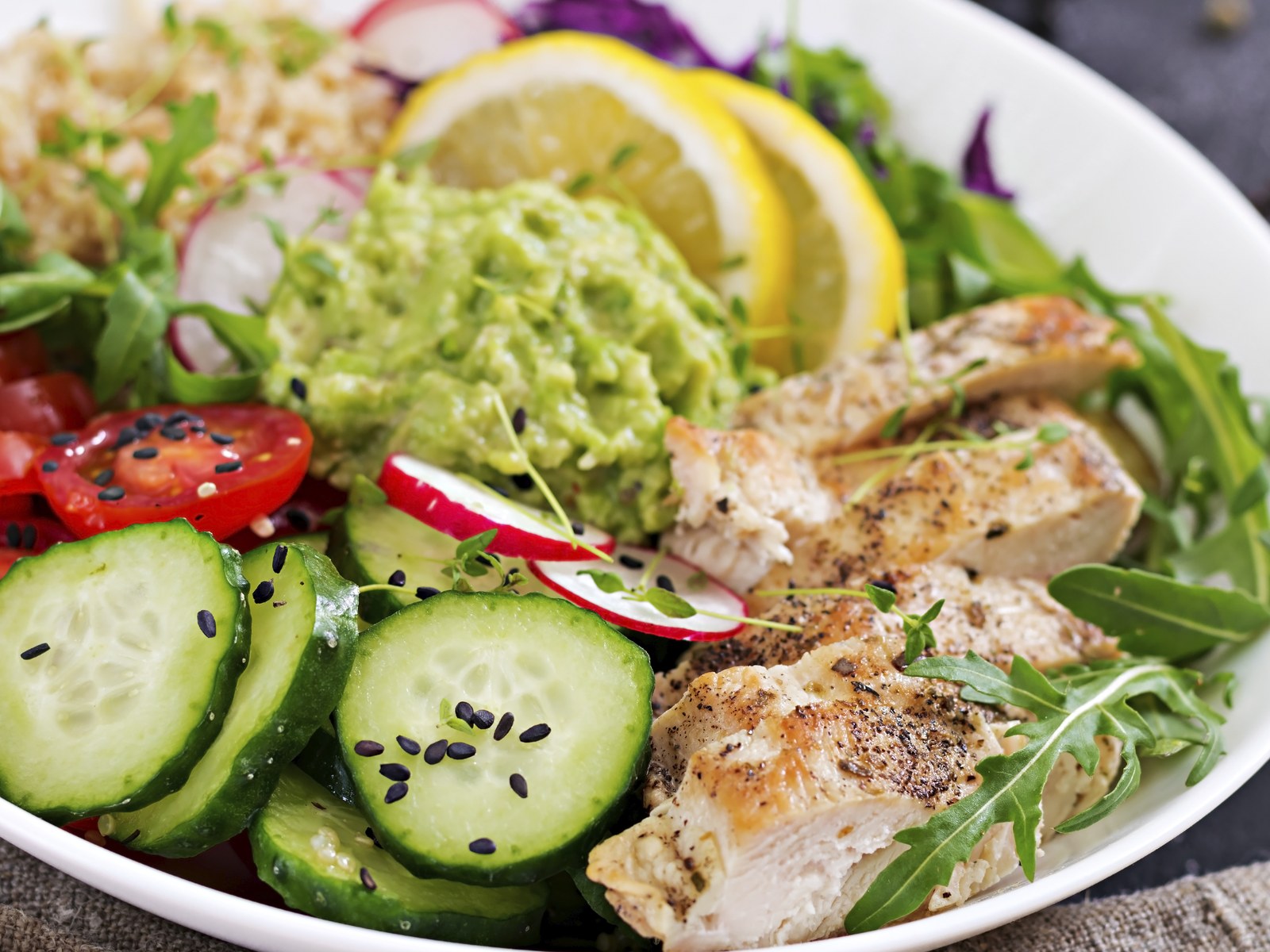
Why Good Nutrition Matters as We Age
We spend a lot of time thinking about what we eat. Too much sugar? Not enough vegetables? Should we be eating more protein?
But as we get older, the conversation changes. It’s no longer just about eating healthy — it’s about eating what our bodies need to stay strong, active, and independent. And those needs may be different than they were 10 or 20 years ago.
Same Body, Different Needs
As we age, our bodies change. We naturally lose muscle mass, our metabolism slows, and our appetite may not be what it used to be. Even if we need fewer calories, we still need essential vitamins, minerals, and protein.
According to the National Institute on Aging, choosing nutrient-rich foods becomes especially important as we get older. It’s less about how much we eat and more about getting the nutrients our bodies need.

What’s on Your Plate Affects You More Than You Think
Good nutrition does more than satisfy hunger. It helps keep our bodies and minds functioning at their best.
- Strength and mobility: Protein helps maintain muscle mass, while calcium and vitamin D support bone health. With regular physical activity, enough of these nutrients helps maintain strength and mobility, making everyday tasks easier to manage.
- Immune health: Vitamins and minerals, including vitamins A, C, D, and zinc, support normal immune function. A balanced diet can also help reduce the risk of certain chronic diseases, including heart disease and type 2 diabetes.
- Brain health: What we eat may also affect how we think. A 2024 study highlighted by the National Institute on Aging found that people who closely followed the MIND diet, rich in leafy greens, berries, and whole grains, had a lower risk of cognitive impairment.
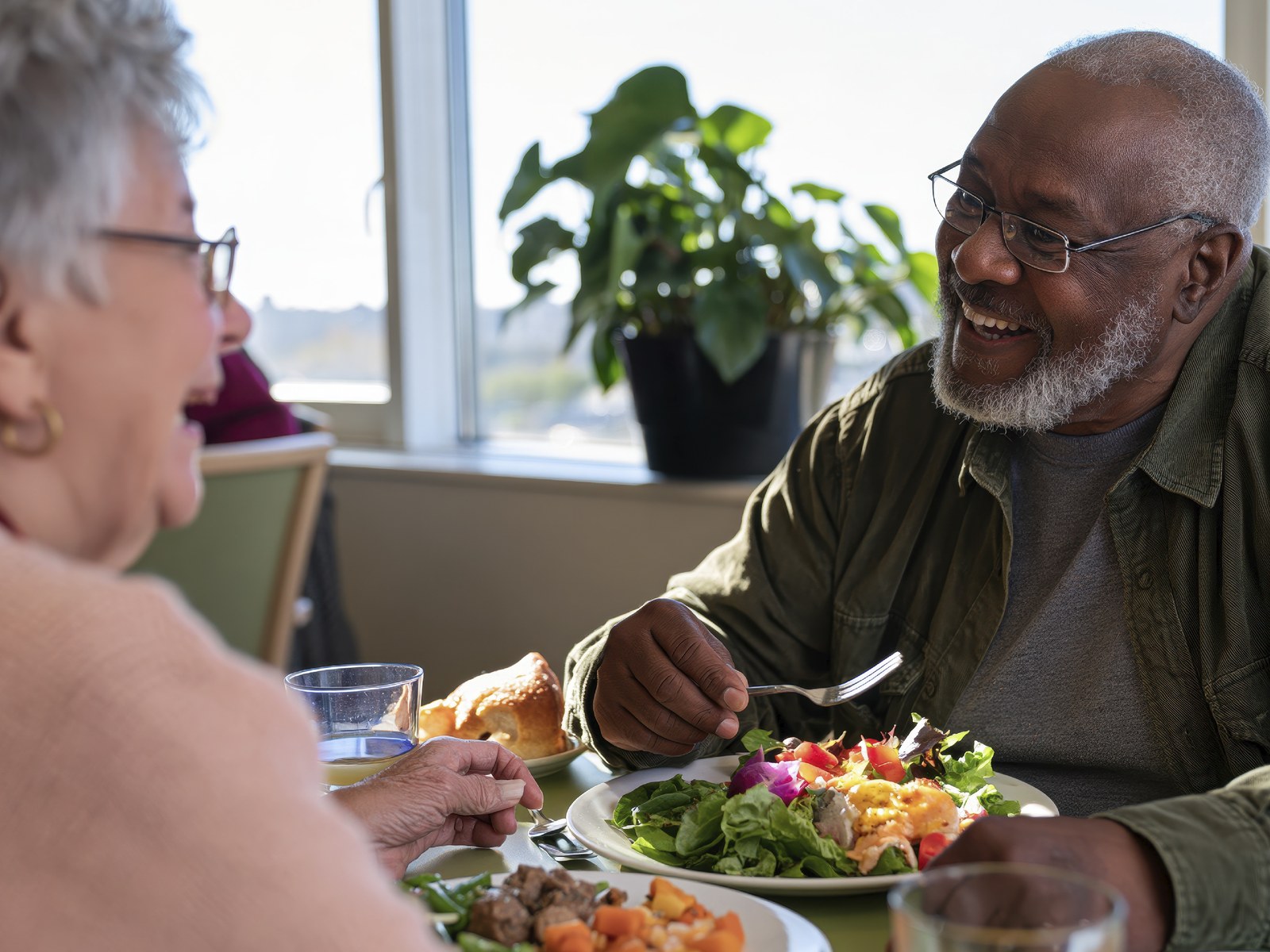
- Emotional well-being: Food is more than fuel. Favorite meals, familiar routines, and enjoying meals with family or friends can bring joy and comfort to everyday life.
Healthy Eating Doesn’t Have to Be Complicated
Eating well doesn’t mean giving up everything you love or overhauling your entire diet. Sometimes, it’s as simple as adding protein to breakfast, choosing fruit for a snack, or drinking more water throughout the day.
The 2025–2030 Dietary Guidelines for Americans emphasize nutrient-dense foods, including protein, vegetables, fruits, and whole grains, while limiting highly processed foods.
The goal isn’t perfection. It’s making choices that support your health, fit your lifestyle, and help you feel your best.
A Little Help Can Go a Long Way
For some older adults, eating well isn’t always as simple as deciding what’s for dinner. Grocery shopping, meal prep, and other daily tasks can get harder with age. CorsoCare Personal Care helps make those routines easier. From grocery shopping and meal preparation to everyday support at home, our caregivers help older adults maintain healthy habits and continue living life on their terms.
