
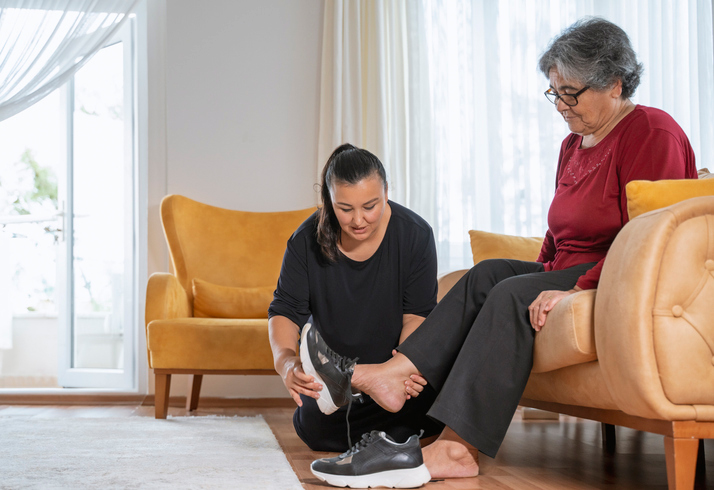
10 Things to Do After a Loved One Has a Stroke
When a stroke happens, it changes more than just one person’s life — it shifts the rhythm of an entire family. In the days and weeks that follow, you may feel overwhelmed by medical terms, new routines, and the quiet weight of wondering what comes next.
The good news is that stroke recovery is possible, and the choices you make early on can shape how smoothly that recovery unfolds. Every survivor’s path looks a little different, but there are practical, meaningful ways caregivers and families can support a loved one through each stage of healing.
Here are 10 things to do after a loved one has a stroke.
Understanding Life After a Stroke
A stroke affects each person differently. Some survivors regain most of their abilities within weeks, while others face longer-term changes in movement, speech, or memory. Understanding what has happened — and what may come next — is the foundation for everything that follows.
1. Learn About the Type of Stroke and What to Expect
Ask your loved one’s care team whether the stroke was ischemic (caused by a blocked blood vessel) or hemorrhagic (caused by a bleed in the brain). Knowing the type, location, and severity will help you understand which abilities may be affected and what recovery could look like. You’ll also want to watch carefully for signs of another stroke, since survivors are at higher risk. Don’t hesitate to ask questions — even the ones that feel basic.
2. Partner With the Medical Team and Discharge Planners
Before your loved one leaves the hospital, meet with nurses, social workers, and discharge planners. Ask about the recovery plan, prescribed medications, upcoming follow-up appointments, and warning signs of another stroke. Bringing a notebook or a second family member to these conversations can help make sure nothing important slips through.
Physical Recovery: The Role of Therapy
3. Embrace Physical, Occupational, and Speech Therapy
Most stroke survivors benefit from a combination of therapies. Physical therapy rebuilds strength, balance, and mobility. Occupational therapy helps your loved one relearn daily tasks like dressing, bathing, or preparing a meal. Speech therapy supports communication and swallowing. Therapy works best when it’s consistent, so encourage your loved one to attend sessions and continue exercises at home between appointments.

4. Make the Home Safer and More Accessible
Falls are a common concern after a stroke, especially in the first few months. Simple changes — grab bars in the bathroom, nonslip rugs, clear walking paths, and better lighting — can make a real difference. Reviewing your home for fall prevention opportunities is one of the most protective steps you can take.
5. Create a Structured Daily Routine
Consistency helps the brain heal. Predictable mealtimes, therapy sessions, rest periods, and evening wind-downs reduce fatigue and give your loved one a sense of control during a time when much feels uncertain.
Emotional and Mental Health Support
6. Watch for Emotional and Mental Health Changes
Depression, anxiety, and frustration are common after a stroke. In fact, the American Stroke Association notes that post-stroke depression is one of the most common complications survivors face. These feelings aren’t a sign of weakness — they’re part of how the brain and body respond to a major event. If your loved one withdraws, sleeps excessively, loses interest in favorite activities, or expresses hopelessness, talk with their doctor. Treatment works, and asking for help early can make recovery smoother.
7. Support Communication and Cognitive Recovery
If your loved one has aphasia (difficulty with language) or memory challenges, patience becomes one of your most important tools. Give them time to find their words, avoid finishing their sentences, and use simple yes-or-no questions or visual cues when needed. Celebrate small wins — they add up.
Supporting a Loved One After a Stroke
8. Help Manage Medications and Follow-Up Appointments
Stroke recovery often comes with a new medication regimen — blood thinners, blood pressure medications, cholesterol treatments, and more. Keep a written log or use a pill organizer, set reminders for each dose, and bring the full list to every appointment. Consistency here is one of the most effective ways to reduce the risk of another stroke.
9. Connect With Support Networks and Resources
You don’t have to figure this out alone. Stroke support groups — both in-person and online — can connect you and your loved one with others walking a similar path. National organizations also offer caregiver education, recovery tools, and community that can help carry some of the emotional weight.
Stroke Recovery at Home: What You Can Do
10. Care for Yourself as a Caregiver
Supporting someone through stroke recovery is emotionally and physically demanding. Make time for rest, lean on family and friends, and consider respite care when you need a break. Caregiver burnout is real, and protecting your own well-being isn’t selfish — it’s what allows you to keep showing up for your loved one over the long road of recovery.
When to Seek Professional Help
Sometimes, recovery calls for more support than family alone can provide. If daily tasks are becoming harder to manage, if medication schedules feel overwhelming, or if safety at home is a growing concern, professional in-home care can help fill the gap. According to the National Institute on Aging, ongoing rehabilitation and consistent support play a key role in stroke recovery, especially for older adults.
CorsoCare Personal Care Can Support Your Loved One’s Recovery
Recovering from a stroke takes time, patience, and a strong support system. At CorsoCare Personal Care, we understand how overwhelming it can feel to balance your loved one’s healing with the demands of everyday life — and we’re here to help.
Our team can:
- Provide in-home personal care support with bathing, dressing, grooming, and mobility
- Assist with meal preparation and light housekeeping that support a healthy recovery
- Offer medication reminders and help maintain a consistent daily routine
- Support families with companionship, reassurance, and respite care
Reaching out for help doesn’t mean stepping back — it means making sure your loved one has everything they need to keep moving forward. Contact CorsoCare Personal Care today to learn how we can support your family through stroke recovery and beyond. Call us at 866-670-1201 or visit CorsoCare.com.
