

Nutritious Meals for Older Adults: Simple Ideas for Every Diet
Good nutrition doesn’t have to be complicated. But for older adults, eating well can sometimes feel like a moving target. Appetite shifts, medications, health conditions, and changes in taste or digestion can all get in the way of balanced eating. The good news: with a little planning and the right approach, nourishing meals can be simple, satisfying, and tailored to fit almost any diet.
Whether you’re caring for an aging parent or navigating your own health needs, here are some helpful ideas to keep meals nutritious and enjoyable.
Why Nutrition Gets More Challenging With Age
As the body ages, metabolism slows and the need for certain nutrients increases even as calorie needs decrease. Seniors often need more protein to maintain muscle mass, more calcium and vitamin D for bone health, and more fiber to support digestion, but fewer calories overall.
At the same time, a range of physical and social changes can make eating well harder:
- Reduced sense of taste or smell, which can make food less appealing
- Dental problems or difficulty chewing
- Medications that affect appetite or nutrient absorption
- Limited mobility or energy for cooking
- Social isolation, which can reduce motivation to prepare meals
Recognizing these challenges is the first step to finding realistic solutions that work.
Simple Meal Ideas for Breakfast, Lunch, and Dinner
Building balanced meals doesn’t have to be complicated. Focusing on simple, nutrient-dense ingredients can make it easier to create meals that support energy, strength, and overall health throughout the day. Here are a few easy ideas for breakfast, lunch, and dinner that can be adjusted to fit a variety of dietary needs and preferences.
Breakfast
- Oatmeal with berries, ground flaxseed, and a drizzle of honey
- Scrambled eggs with spinach and whole-grain toast
- Greek yogurt with sliced banana and a small handful of granola
Lunch
- Lentil soup with a slice of whole-grain bread
- Tuna or chicken salad on whole-wheat crackers with sliced cucumber
- A vegetable-filled frittata made ahead of time and reheated
Dinner
- Baked salmon or chicken thighs with roasted vegetables and quinoa
- Bean and vegetable stew with low-sodium broth
- Stir-fried tofu with broccoli, carrots, and brown rice
These ideas are easy to adapt to different diets, including low-sodium, diabetic-friendly, soft-food, or heart-healthy plans.
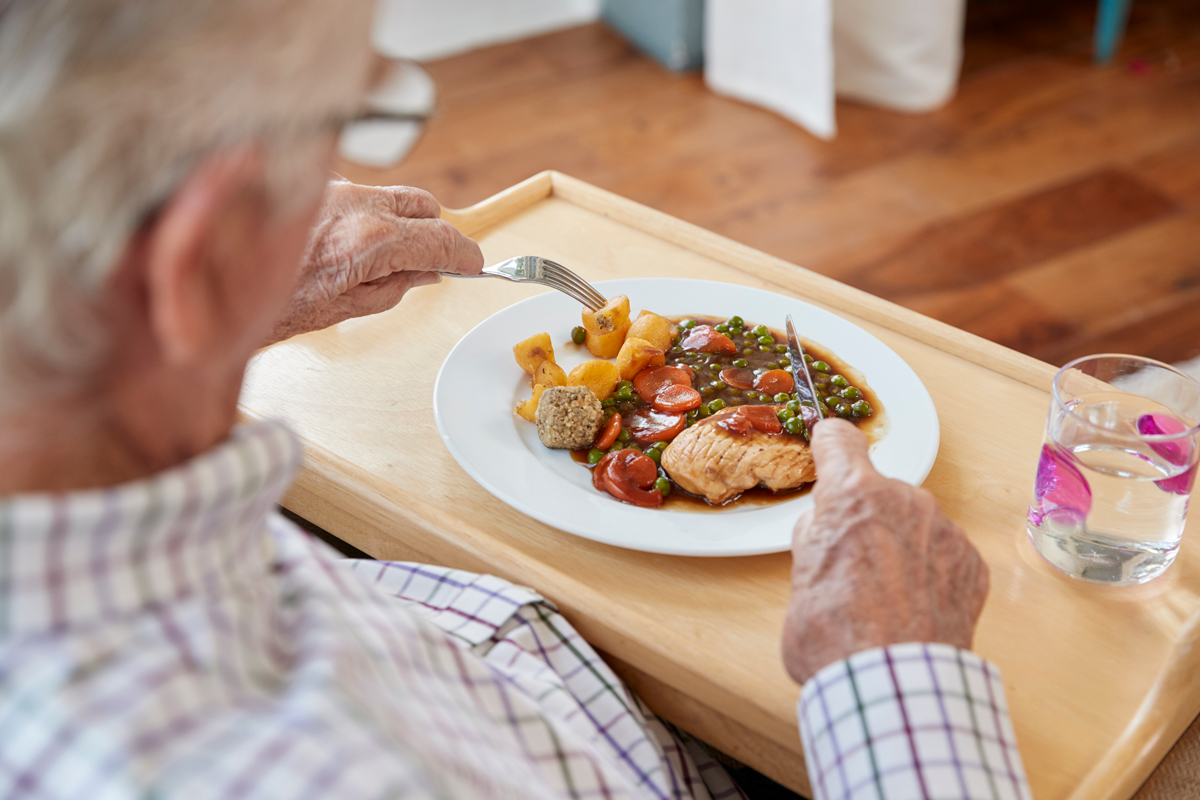
Tips for Prepping Meals in Advance
Batch cooking and meal prep can take the guesswork — and effort — out of daily meals. A few strategies that help:
- Cook in Batches: Prepare grains like rice or quinoa, roast a tray of vegetables, or cook a large pot of soup on the weekend. Divide into single-serving portions for easy weekday meals.
- Use the Freezer: Many soups, casseroles, and cooked proteins freeze well. Label containers with the date so nothing goes to waste.
- Keep Healthy Staples on Hand: Canned beans, whole-grain crackers, nut butters, and frozen vegetables make it easy to pull together a balanced meal even on tired days.
- Think About Texture: For seniors with chewing difficulties, softer options like mashed sweet potatoes, cooked oats, well-cooked fish, or blended soups offer excellent nutrition without strain.
Foods to Avoid or Limit as You Age
While there’s no single “forbidden” food, some choices are worth limiting as the body ages:
- High-Sodium Foods: Excess sodium raises blood pressure and strains the heart. Watch for hidden salt in canned goods, deli meats, and restaurant meals.
- Added Sugars: Sugary drinks, sweets, and processed snacks offer calories without nutrition and can worsen blood sugar management.
- Refined Carbohydrates: White bread, white rice, and pastries spike blood sugar quickly. Whole grains are a better choice.
- Alcohol: Alcohol can interact with medications and increase fall risk. If consumed, it should be in very small amounts and with a doctor’s guidance.
The goal isn’t perfection — it’s building a pattern of eating that supports energy, immunity, and long-term health.
When to Consider Working With a Dietitian
- Has been diagnosed with diabetes, kidney disease, heart disease, or another chronic condition.
- Is losing weight unintentionally.
- Has difficulty swallowing or chewing.
- Takes multiple medications that may affect nutrition.
- Is recovering from surgery, illness, or a hospital stay.

Supporting Better Nutrition Every Day
Eating well is one of the most impactful things seniors can do for their health — but it doesn’t happen in isolation. Staying social during meals, getting regular movement, staying hydrated, and managing chronic conditions all play a role in how well the body absorbs and uses nutrients.
If your loved one is struggling with nutrition, a conversation with their doctor is a great starting point. Small steps — like adding one more vegetable to dinner or switching to whole-grain bread — can lead to meaningful improvements over time.
Get the Support You Need at Home
Supporting good nutrition doesn’t have to fall entirely on your shoulders. If you or your loved one could benefit from extra help with meals, daily routines, or ongoing support at home, CorsoCare is here to help. Our team provides personalized assistance designed to make everyday life easier, safer, and more comfortable. Contact us today to learn how we can support your family.
